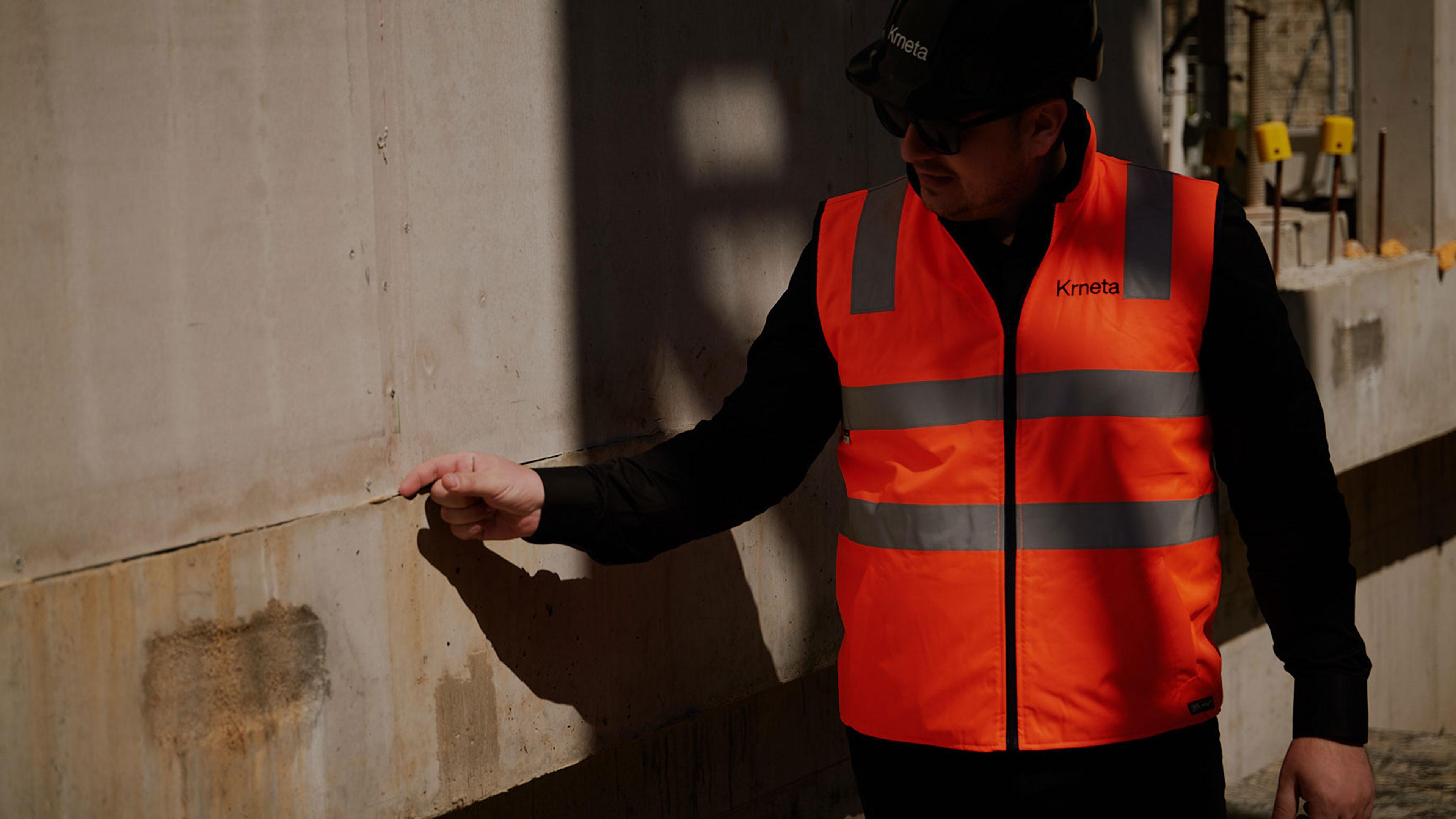
Protection works: understanding triggers, significance and process
In both domestic and commercial projects, protection works safeguard adjoining properties while construction proceeds. It can feel administrative, but the intent is simple: make risks explicit, agree how they will be managed, and keep neighbours informed so work can continue safely and transparently.
When protection works are triggered
Protection works are required when proposed building work may affect an adjoining property. Typical triggers include:
- Excavation near a boundary and any temporary or permanent retention systems.
- Underpinning or work that could affect the support of adjoining footings.
- Work to party walls, boundary walls or shared structures.
- Demolition adjacent to a neighbour where stability or weatherproofing could be compromised.
- Craneage, scaffolding, hoarding or propping that imposes loads or access over a boundary.
- External waterproofing or façade works where the weatherproofing of the adjoining property could be impacted.
Because retention is itself intended to protect a neighbour, using it is commonly a trigger.
What is “significant”
The legislation requires protection works if the work is likely to have a significant effect on an adjoining property. “Significant” is not precisely defined, so context matters:
- A small excavation may be significant if it is close to shallow or ageing footings.
- Routine demolition can be significant if it removes weatherproofing to a shared wall.
- Temporary works such as hoarding or propping may be significant where loads are transferred to a neighbour’s structure.
Our approach is to err on the side of caution. If there is a credible risk to stability, support or weatherproofing, treat it as protection work and manage it properly.
Roles and responsibilities
- Building owner and builder – propose the work, bear the cost of protection works and associated reasonable costs, and carry out monitoring and making good.
- Adjoining owner – reviews the proposal, may request further information, and can seek expert advice.
- Relevant Building Surveyor (RBS) – statutory decision maker. If parties do not agree, the RBS determines the matter and any conditions to manage risk.
- Engineers and specialists – provide design, methodology, monitoring and certification for the protection works.
- Protection Work Inspector / independent experts – where appointed or required, inspect and report on conditions.
The process at a glance
- Notice
The building owner, typically via the RBS, gives a Form 3 notice describing the proposed work, the likely impact and the proposed protection measures, with drawings and supporting engineering where relevant. - Response
The adjoining owner responds using Form 4 by the prescribed timeframe: agree, disagree, or request more information. They may obtain their own advice. - Determination
If agreement is not reached, the RBS determines the protection works and any conditions after considering information from both parties. Where required, further expert input is sought. - Security, insurance and conditions
The RBS may require security (a bond or bank guarantee) and insurance to cover potential damage. Conditions for monitoring and making good are set out. - Condition reports
Pre-works condition records of the adjoining property are prepared. Post-works inspections confirm whether any damage has occurred and what rectification is required. - Completion
Protection works are carried out, monitored and closed out in line with the determination and any agreed program. Disputes can be referred to the appropriate appeals body if needed.
Documentation that keeps projects moving
- Clear drawings showing location, extent and method of the protection works.
- Structural and geotechnical methodology for excavation, retention, underpinning and monitoring.
- A monitoring plan covering movement thresholds and hold points.
- Proposed security and insurance details.
- Pre- and post-condition reports with photos.
- A simple program identifying when access is required.
Why it matters
Handled well, protection works reduce risk, build trust with neighbours and help projects maintain momentum. Handled poorly, they lead to delays, disputes and cost.
How we help
Krneta advises on triggers, prepares and administers protection works documentation, and supports owners and project teams through notices, determinations and close-out. We bring clarity to what can otherwise be a grey and contentious process, from suburban extensions to multi-storey developments.